
 EN



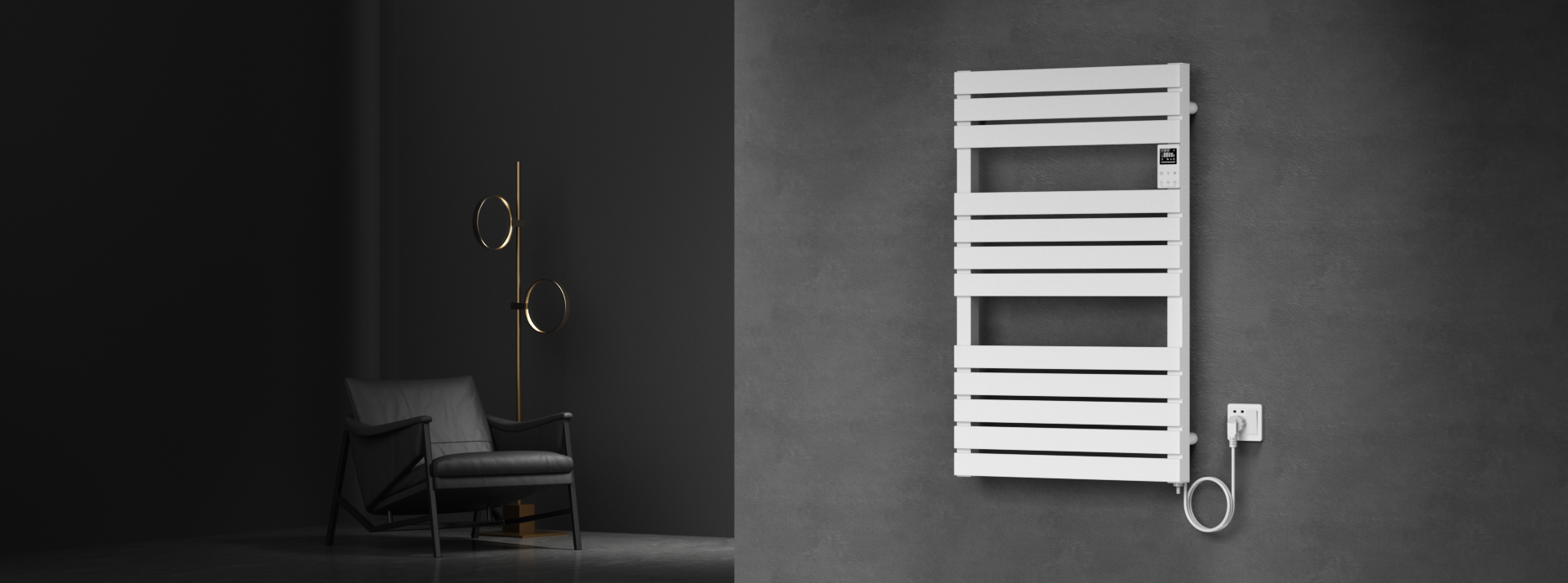
Windowless bathrooms are a common challenge in residential buildings, apartments, hotels and renovation projects. Without natural ventilation, moisture can linger after showers, towels may take longer to dry, and condensation can become an ongoing maintenance concern.
For bathroom brands, HVAC distributors and project buyers, these spaces represent more than a household inconvenience. They create demand for practical bathroom heating and towel-drying solutions.
A heated towel rail cannot replace mechanical ventilation or a dedicated dehumidifier. However, it can provide supplementary warmth and help towels dry more effectively when correctly selected and installed.
So, what should buyers consider when adding electric heated towel rails to their bathroom product ranges?
Why Windowless Bathrooms Create Product Demand
Moisture Management Is a Practical Customer Concern
Bathrooms without windows depend heavily on mechanical ventilation. Even with an extractor fan, towels and other textiles may remain damp if there is limited airflow or insufficient drying space.
For homeowners, landlords and hotel operators, this can mean longer drying times, unpleasant damp smells and more frequent maintenance.
These challenges create opportunities for complementary bathroom products that improve everyday comfort and towel-drying convenience.
For distributors and retailers, understanding these use cases helps identify customers who may benefit from electric heated towel rails.
A Growing Role for Compact Bathroom Heating
Modern bathrooms often have limited wall and floor space, particularly in apartments and smaller residential properties.
A wall-mounted heated towel rail combines towel storage with supplementary heating in one product. It can make use of otherwise unused wall space while offering a convenient place to hang towels.
This combination of functions makes it relevant to bathroom renovation projects, compact homes, hotels and residential developments.
What Can an Electric Heated Towel Rail Offer?
Helping Towels Dry More Effectively
One of the main functions of an electric heated towel rail is to provide a warm surface for hanging towels.
Unlike ordinary towel bars, a heated towel rail transfers heat to the towel, helping moisture evaporate more readily. Actual drying performance depends on the rail's output, towel thickness, how the towel is positioned and the ventilation conditions in the room.
For buyers, this means product design matters. Bar spacing, usable hanging area and the number of towels that can be accommodated should all be considered.
Supplementary Bathroom Warmth
An electric heated towel rail also releases heat into the surrounding bathroom.
This can improve local comfort, especially when stepping out of a shower or bath. However, its ability to heat an entire bathroom depends on room size, insulation, heat output and other heating arrangements.
For projects where the towel rail is expected to provide primary space heating, buyers should check the required heat output rather than assuming every model can replace a conventional bathroom radiator.
Supporting a More Comfortable Bathroom Environment
Warm, dry towels contribute to a more comfortable bathroom experience. For hotels, serviced apartments and residential projects, this can be a useful product feature when developing a more complete bathroom specification.
It is important to distinguish towel drying from room dehumidification. A heated towel rail does not remove moisture from the bathroom air. Effective extraction and ventilation remain essential for managing humidity and preventing mould.
Product Features Buyers Should Evaluate
Size, Layout and Bar Configuration
Different bathrooms require different product dimensions and layouts.
Vertical heated towel rails can make better use of narrow wall spaces, while horizontal designs may suit bathrooms with wider available wall areas.
Buyers should consider:
Overall dimensions and available wall space
Number and spacing of horizontal bars
Towel capacity and accessibility
Vertical or horizontal installation options
Compatibility with the intended bathroom layout
A well-designed product range should offer enough variety to serve different residential and commercial applications.
Temperature Control and Energy Management
Temperature control is another important consideration, particularly for customers who want convenient daily operation.
Depending on the model, electric heated towel rails may offer adjustable temperature settings, timers or smart control functions.
These features can help users manage operating periods and avoid unnecessary heating. Buyers should review the actual functions, electrical specifications and relevant safety documentation of each model before selecting products for their markets.
Materials, Finishes and Design Choices
Product appearance plays an important role in bathroom retail and renovation decisions.
Stainless steel and mild steel are among the materials used in heated towel rail manufacturing, with material selection affecting product construction, finish and application.
Colour options such as white, black and other contemporary finishes can help distributors and bathroom brands build collections suited to different interior styles.
For OEM and ODM buyers, available dimensions, finishes, structures and customisation options are also worth discussing with the manufacturer.
Which Markets and Projects Can Benefit?
Residential Apartments and Renovation Projects
Compact bathrooms and windowless layouts are common considerations in apartment design and renovation.
A heated towel rail can combine towel-drying convenience with supplementary warmth without requiring additional floor space.
For distributors and DIY retailers, this provides a practical application to explain when positioning products to renovation customers.
Hotels and Serviced Apartments
Hotels and serviced apartments need bathroom products that support guest comfort and straightforward maintenance.
Heated towel rails can be considered as part of a wider bathroom heating specification, particularly where towel-drying convenience and product appearance are important.
Project buyers should also assess installation requirements, electrical safety, maintenance access and replacement-part availability.
Bathroom Brands and Product Distributors
For bathroom brands and HVAC distributors, heated towel rails can complement existing bathroom furniture, radiators and heating product ranges.
Offering different sizes, finishes and control options can help serve a broader customer base.
The opportunity is not simply to sell another bathroom accessory. It is to provide a practical product that fits into a wider bathroom comfort solution.
Choosing the Right Heated Towel Rail Manufacturer
Product performance is only one part of a successful product range. Buyers also need a manufacturer that can support consistent quality and long-term supply.
When evaluating a heated towel rail manufacturer, consider:
Manufacturing experience: Does the supplier have established experience in heated towel rails and bathroom heating products?
Product development: Can it offer different designs, sizes, finishes and control options?
Quality management: Are production inspections and relevant product tests documented?
Certifications: Can the manufacturer provide product-specific compliance documentation for the target market?
Production capacity: Can it support repeat orders and larger-volume requirements?
OEM/ODM support: Can it work with your brand specifications and product development needs?
These factors are particularly important for distributors, retailers and project buyers building a long-term supply relationship.
How AVONFLOW Supports Global Heating and Bathroom Markets
With more than 20 years of experience in heating and bathroom products, Jiangxi Avonflow HVAC Tech Co., Ltd. develops and manufactures heated towel rails, radiators and related heating products for international markets.
AVONFLOW offers a range of heated towel rail designs and finishes, supporting different bathroom layouts and customer preferences.
For distributors, bathroom brands and project buyers, the company also provides OEM and ODM cooperation to discuss product specifications and market requirements.
Its manufacturing experience and broader heating product portfolio make AVONFLOW a potential partner for businesses looking to expand their bathroom heating collections.
Frequently Asked Questions
Can a heated towel rail prevent mould in a windowless bathroom?
A heated towel rail can help towels dry, but it cannot independently prevent mould or replace proper ventilation. Effective extraction, adequate airflow and appropriate moisture management are still necessary.
Can an electric heated towel rail replace a bathroom radiator?
Not always. Whether it can provide sufficient room heating depends on its heat output, bathroom size, insulation and heat-loss calculations. Some models are designed mainly for towel warming, while others may provide supplementary or primary heating.
What should distributors consider when sourcing heated towel rails?
Key considerations include product dimensions, material, finish, heating performance, electrical requirements, certifications, quality control, production capacity and after-sales support.
Are heated towel rails suitable for hotel and apartment projects?
They can be suitable, provided the selected model meets the project's heating, electrical safety, installation and maintenance requirements.
Conclusion
Windowless bathrooms highlight the need for better towel-drying convenience and carefully planned bathroom heating.
For distributors, bathroom brands and project buyers, electric heated towel rails offer a practical product category that combines towel warming with supplementary heat and space-efficient design.
The right product selection depends on the application, technical requirements and reliability of the manufacturing partner.
AVONFLOW continues to develop heated towel rails and broader heating products for international customers, supporting distributors, OEM/ODM brands and project partners with manufacturing experience and product range options.
Table of Contents
- Why Windowless Bathrooms Create Product Demand
- What Can an Electric Heated Towel Rail Offer?
- Product Features Buyers Should Evaluate
- Which Markets and Projects Can Benefit?
- Choosing the Right Heated Towel Rail Manufacturer
- How AVONFLOW Supports Global Heating and Bathroom Markets
- Frequently Asked Questions
- Conclusion